
The Heart of the Game: Categoría Primera A (FPC)
The professional league, officially known as the Categoría Primera A (and often referred to as the Liga BetPlay for sponsorship reasons), is the pinnacle of club football in the country. Unlike many European leagues that follow a long annual format, the Colombian league is divided into two tournaments per year: the Apertura (Opening) and the Finalización (Closing).
This unique format ensures that there are two champions every year, keeping the stakes high and the excitement constant. The top teams enter a “Quadrangular” phase—a round-robin playoff that leads to an electric two-legged final.
The Big Teams You Need to Know
Every city in Colombia has its pride, but a few “historicos” dominate the conversation:
- Atlético Nacional (Medellín): Known as El Rey de Copas, they are the most successful club in the country and two-time winners of the Copa Libertadores.
- Millonarios & Independiente Santa Fe (Bogotá): These two giants share the El Campín stadium and represent the fierce rivalry of the capital.
- América de Cali & Deportivo Cali: The Clásico Vallecaucano is one of the most intense derbies in South America, representing the soul of the city of salsa.
- Junior de Barranquilla: The pride of the Caribbean coast, known for their passionate fanbase and “Tiburón” (Shark) mascot.
La Selección: The Pride of a Nation
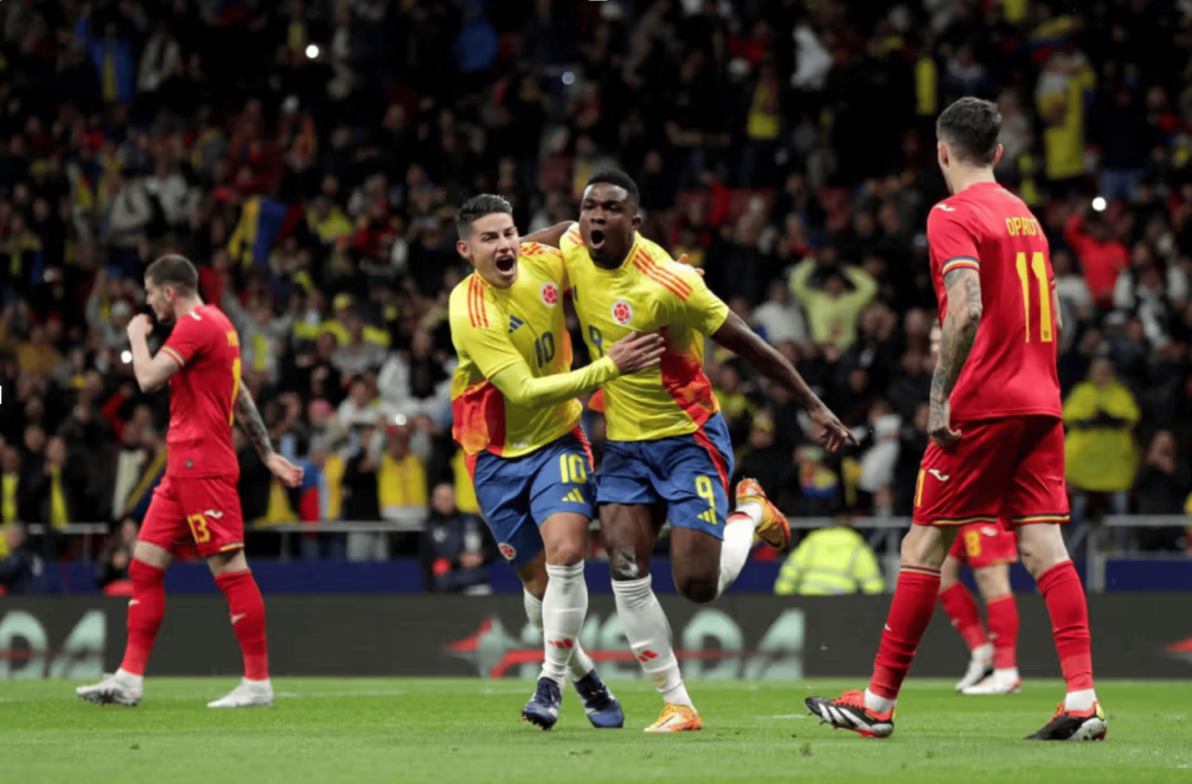
While club loyalties are deep, nothing unites the country like La Selección Colombia (the National Team). On match days, the entire country turns into a sea of yellow jerseys.
The history of the national team is marked by two distinct “Golden Generations.” The first, in the 1990s, featured icons like Carlos “El Pibe” Valderrama, Faustino Asprilla, and Freddy Rincón. This era famously included the 5-0 victory over Argentina in Buenos Aires, a moment etched in global football history.
The second golden era peaked at the 2014 FIFA World Cup, where James Rodríguez won the Golden Boot and the team reached the Quarter-Finals, playing a joyful, attacking style of football that won hearts worldwide.
The Stadium Experience: More Than 90 Minutes
Attending a match in Colombia is a sensory explosion. If you go to a stadium like the Atanasio Girardot in Medellín or the Metropolitano in Barranquilla, be prepared for:
- Cánticos: Non-stop chanting from the Barras Bravas (the hardcore supporters’ groups).
- Color: Smoke bombs, giant flags (trapos), and rain-soaked celebrations.
- Street Food: No match day is complete without an empanada, a stuffed arepa, or a cold beer outside the stadium gates.
Why It Matters: Football as Social Fabric
Beyond the goals and trophies, football in Colombia has played a crucial role in social transformation. In cities like Medellín and Cali, football academies offer youth an alternative to violence, fostering discipline and community. The sport is a common language that bridges social classes and regional divides.
Conclusion
Whether you are watching a local derby in Bogotá or cheering for the national team during the Copa América, you will quickly realize that Colombian football is about passion (garra) and joy (alegría). It is a window into the soul of a nation that celebrates every goal as if it were a national holiday.